Rebuilding a 12-year inspection product without losing the data
Twelve years of inspection knowledge sits in .NET, Couchbase, Sync Gateway, and native iOS, and crews still need the same field workflows tomorrow morning.
I own the rebuild end to end: product, design, and engineering. Moving to Next.js, Expo, and Supabase so the business keeps its data without the old stack.
Now
Keep the data, replace the stack
ispect.appField crews stay on the live product while I cut over stack, data path, and marketing in parallel.
Stack move
From
To
Vue 2.7 + Vuetify
Next.js App Router
Native iOS / Sync Gateway
Expo field apps
Couchbase + GraphQL
Supabase (Postgres, RLS)
.NET service layer
Supabase RPCs + workers
Data path
Marketing craft while the rebuild ships
Refactor
Cut jank, less noise, more automatic UI
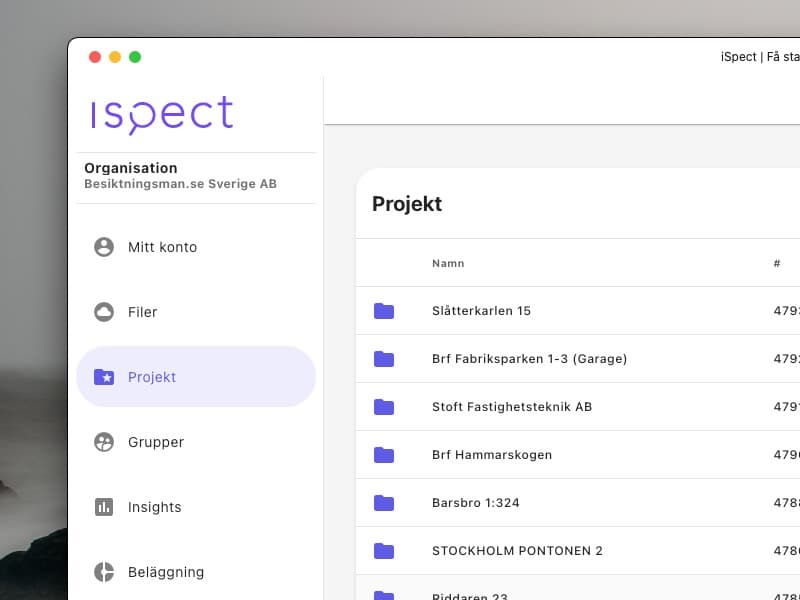
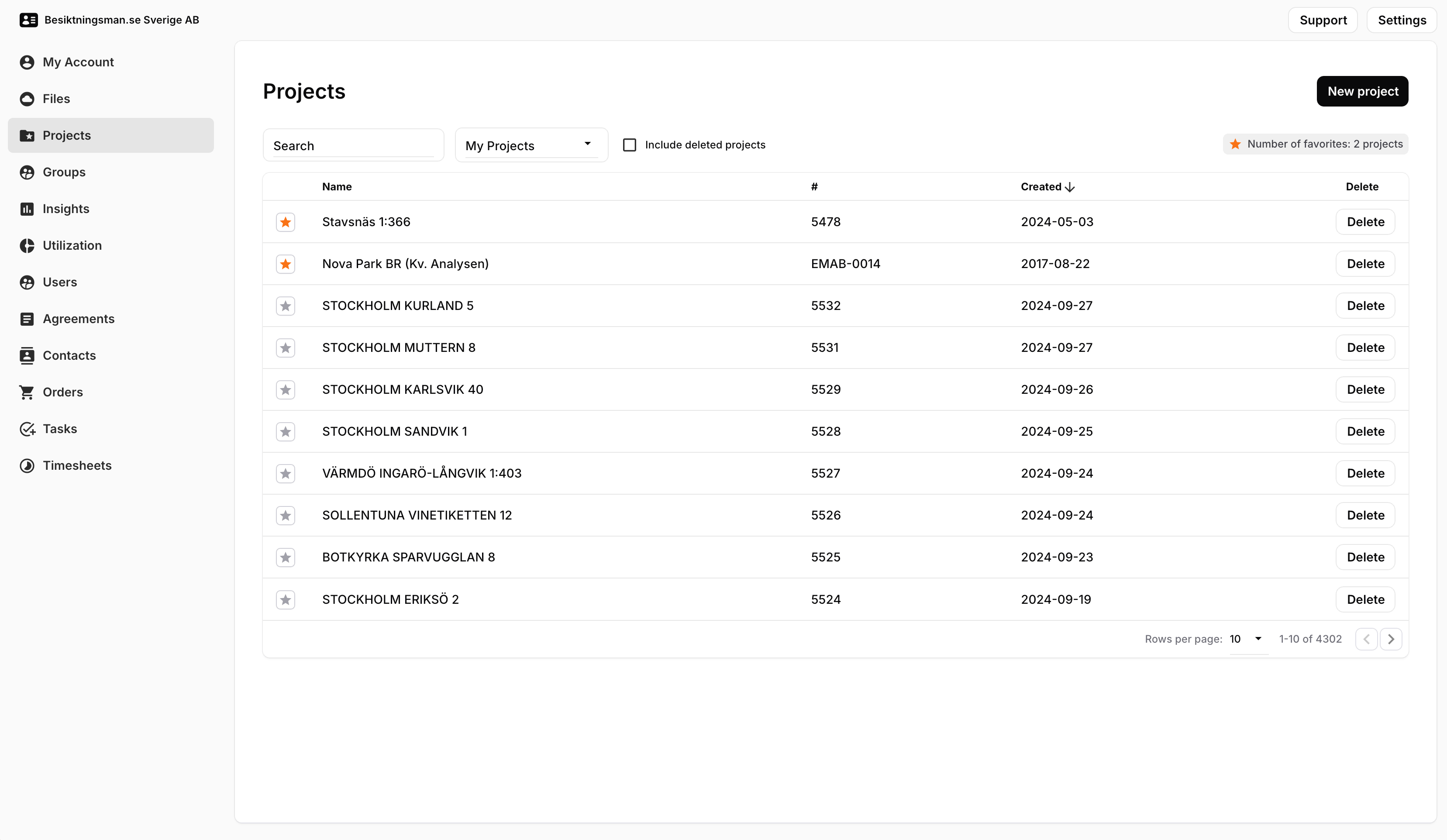
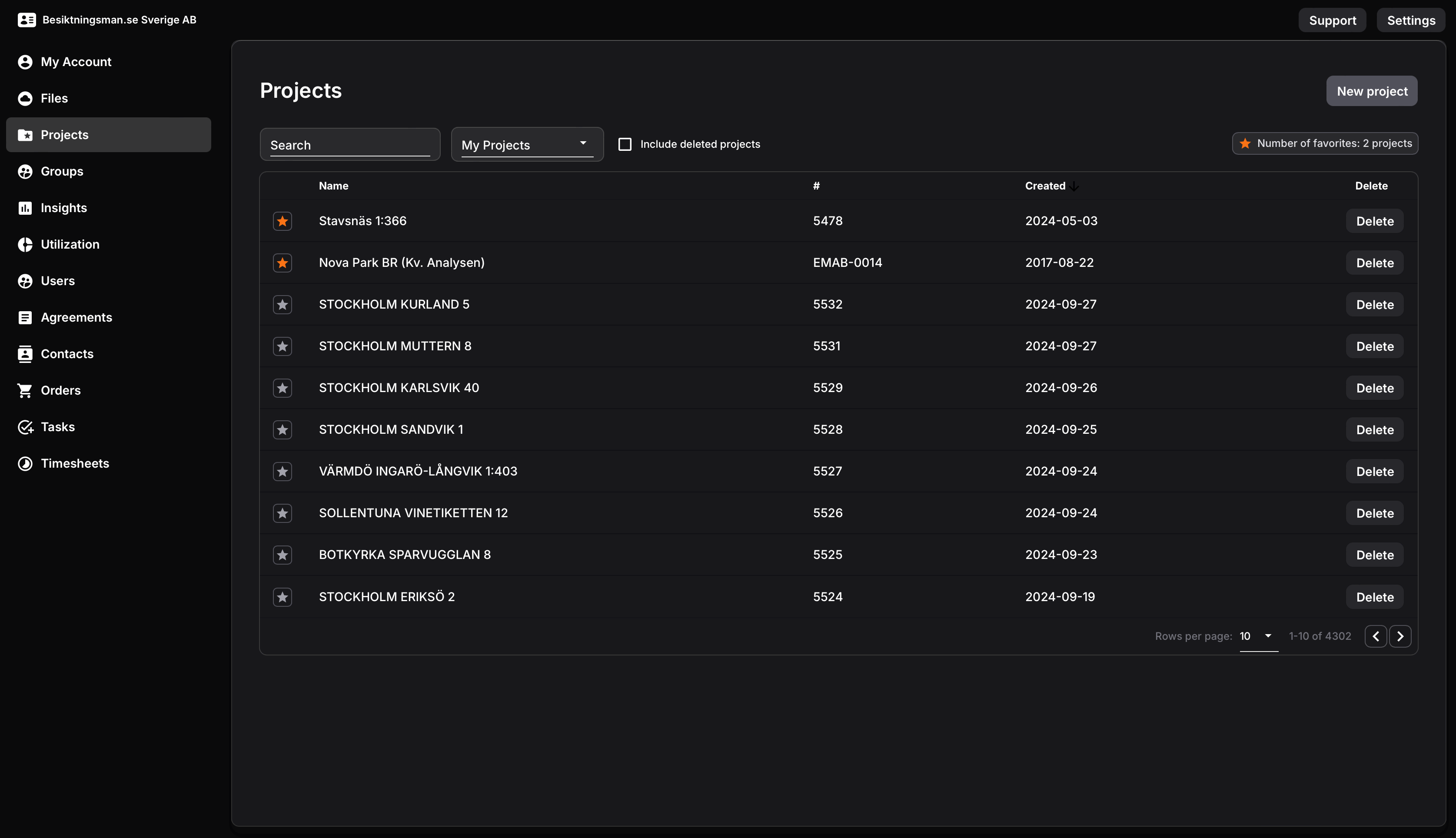
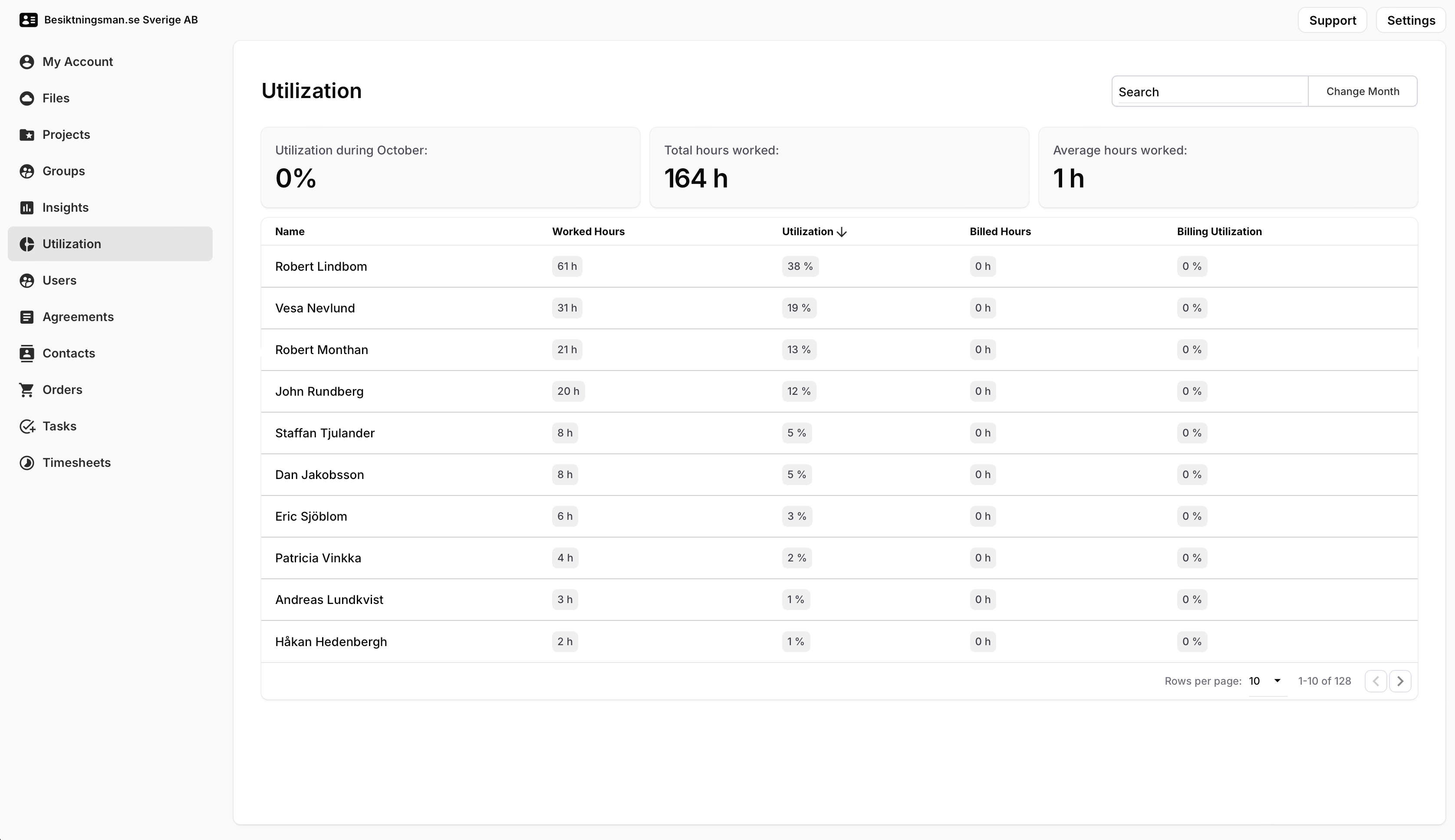
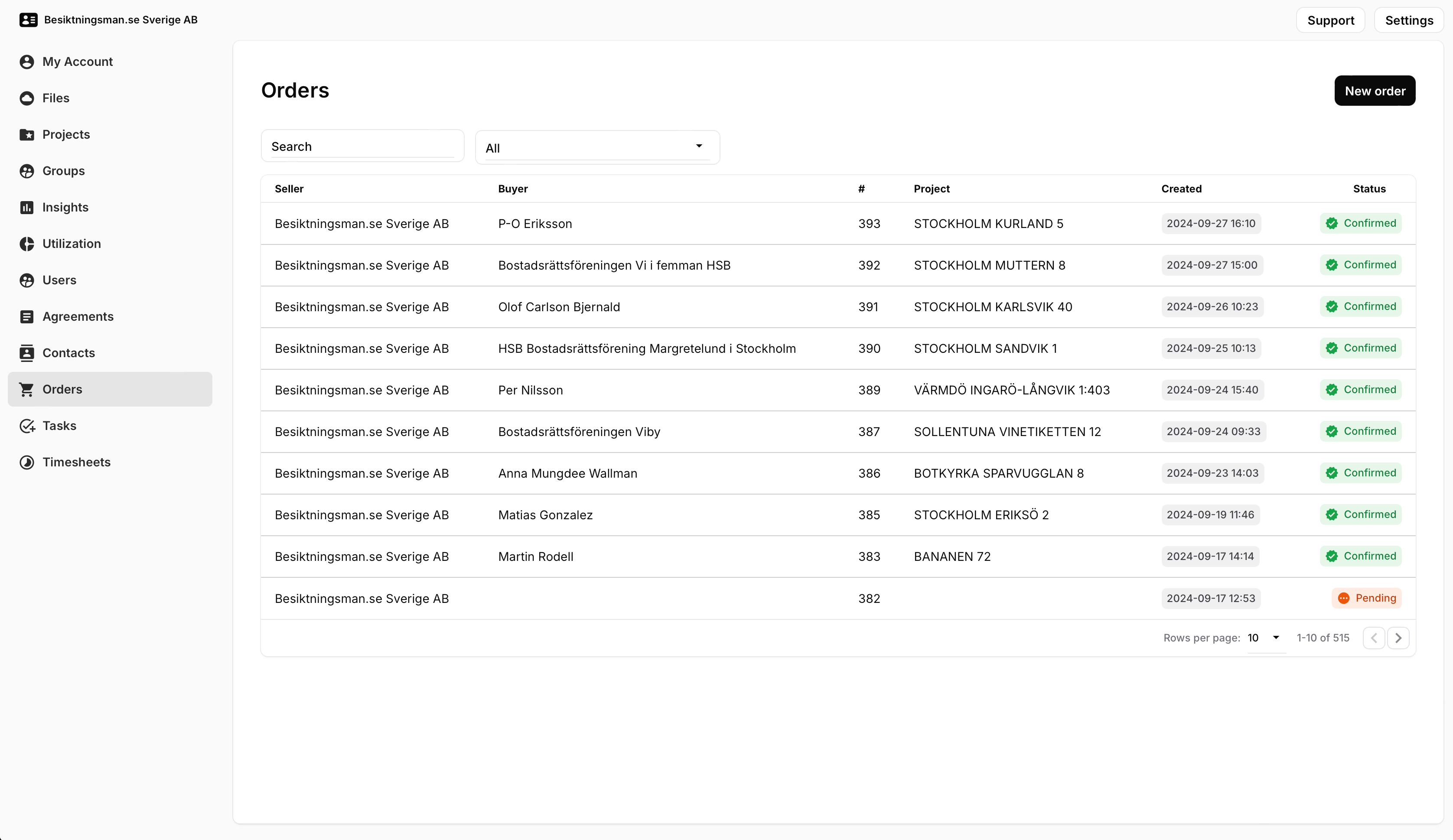
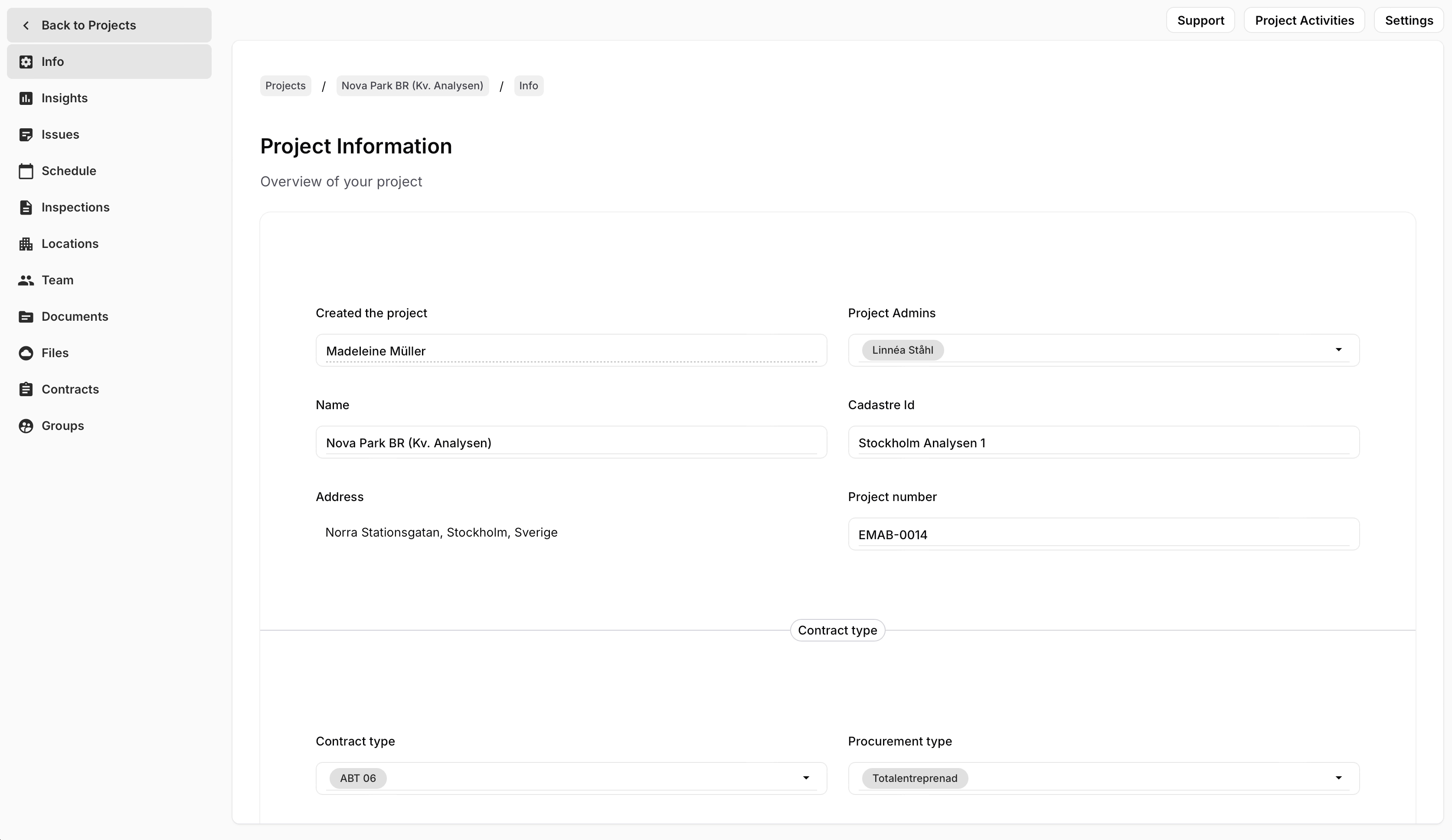
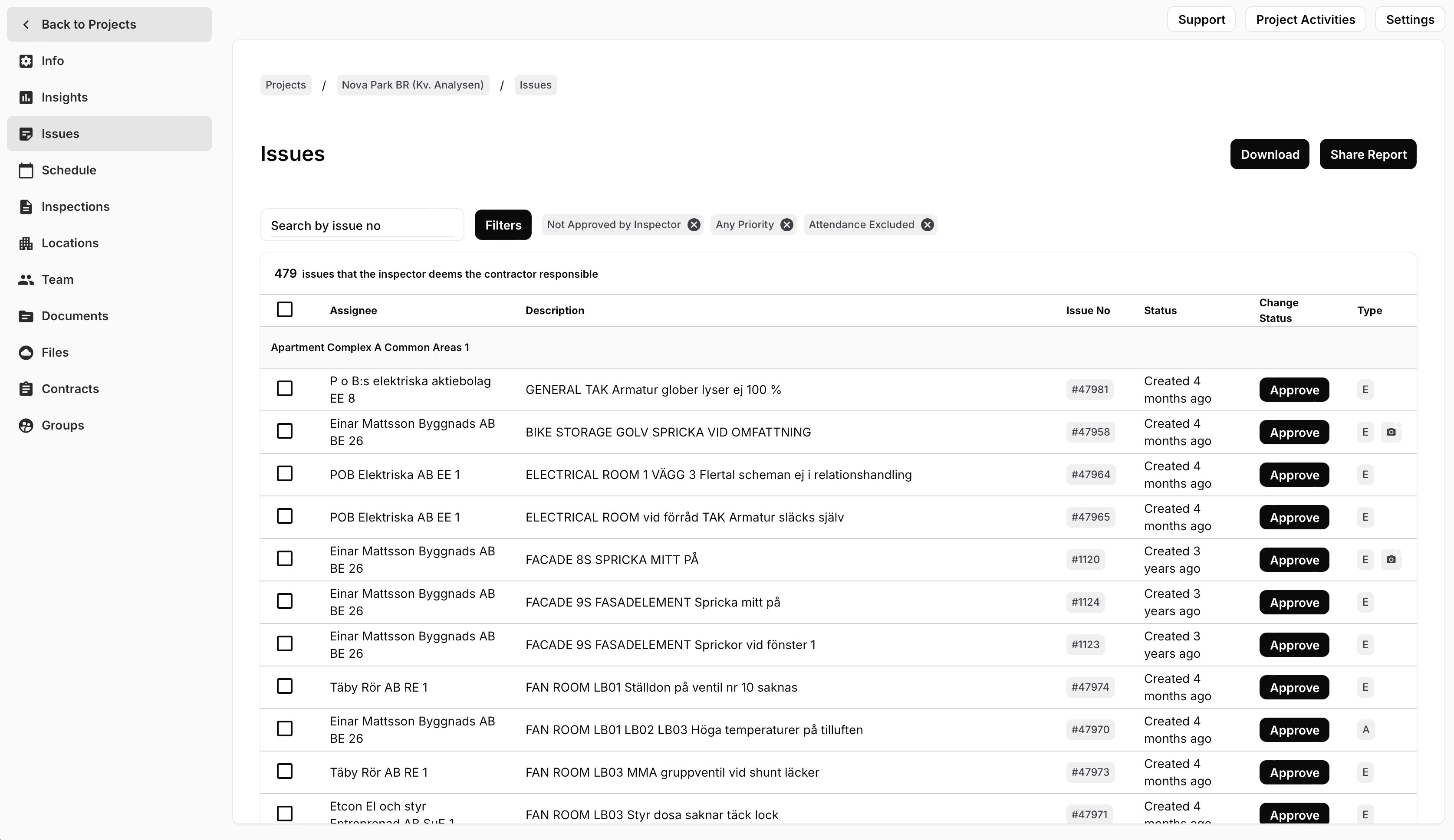
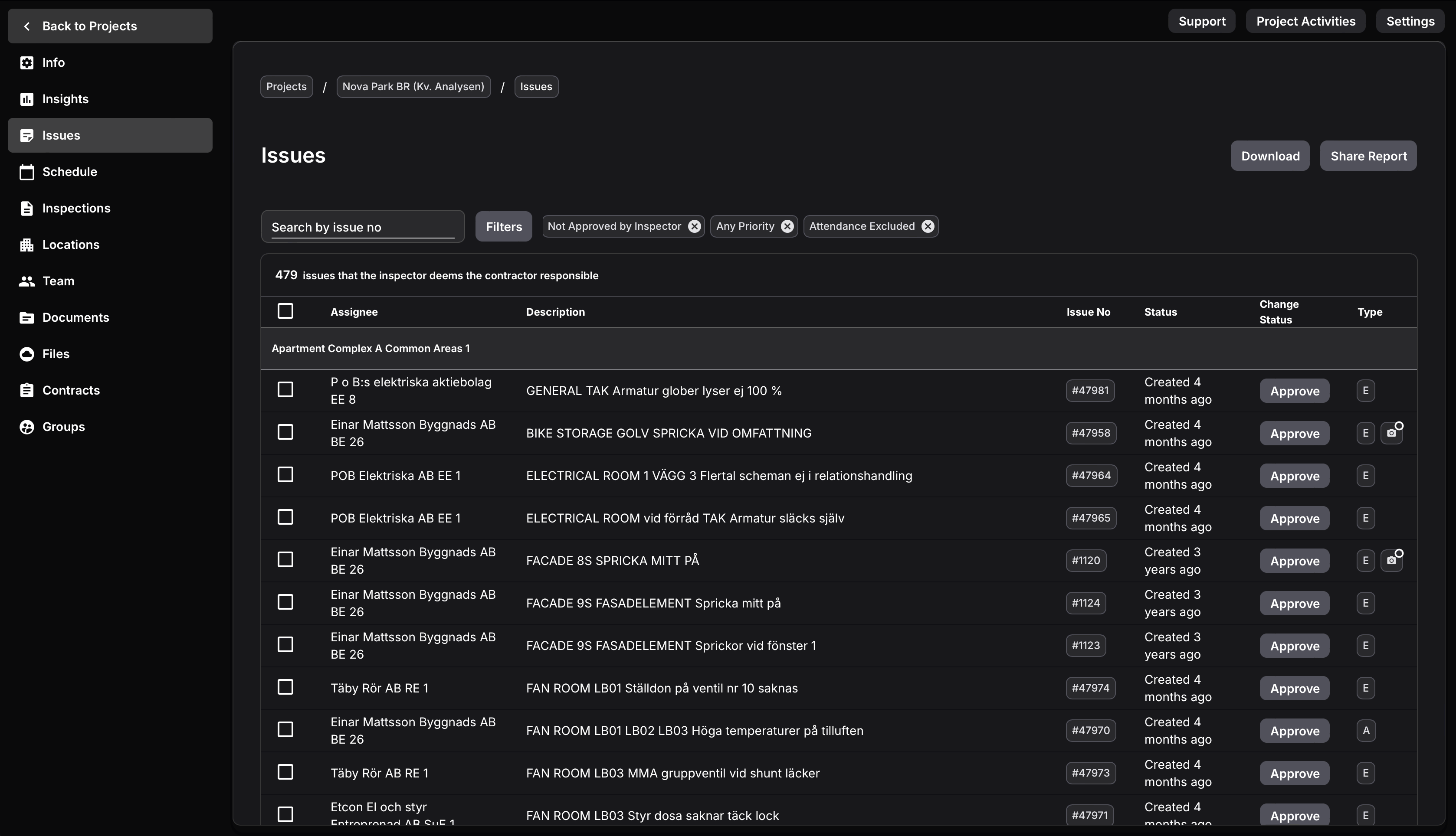
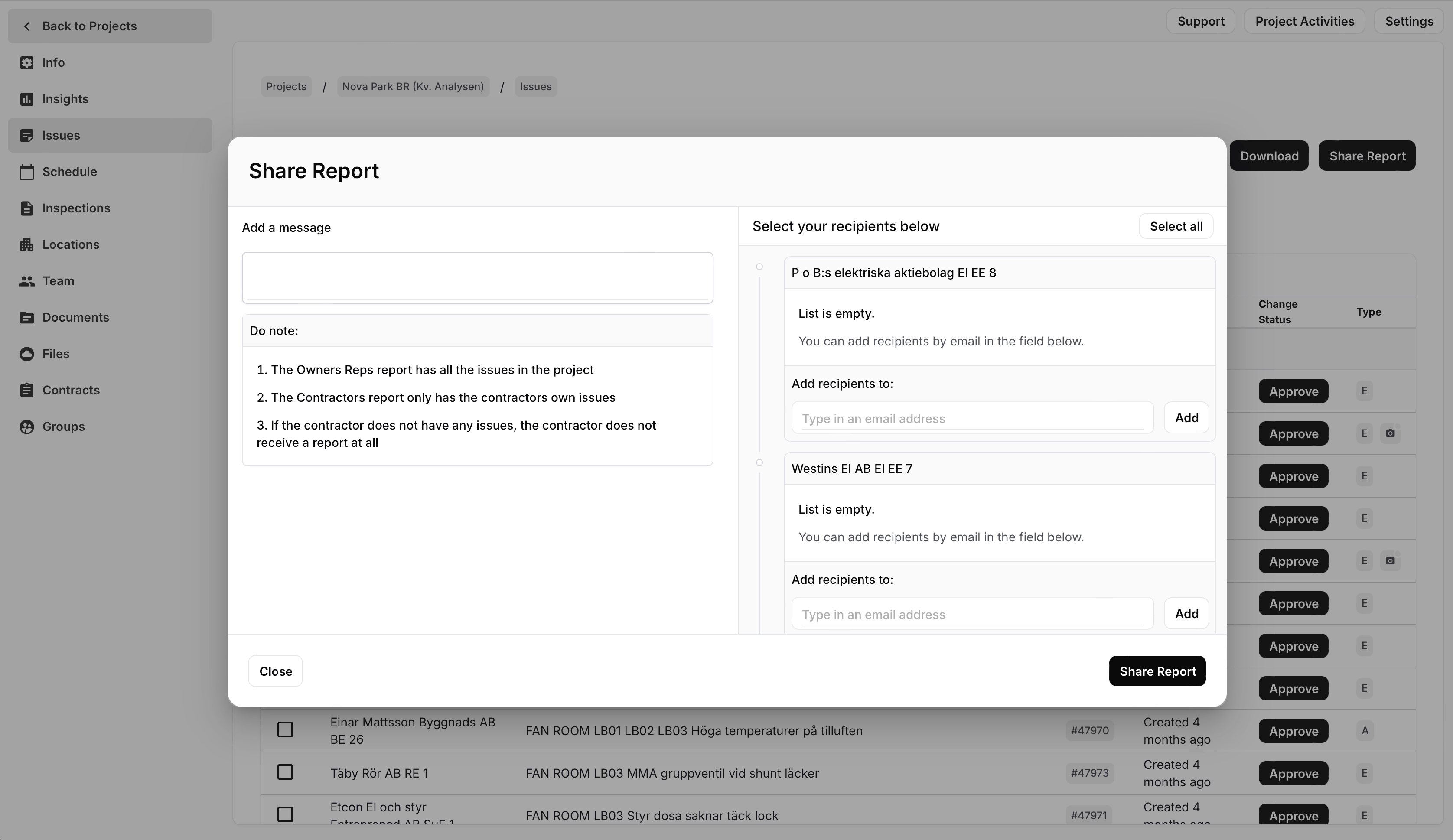
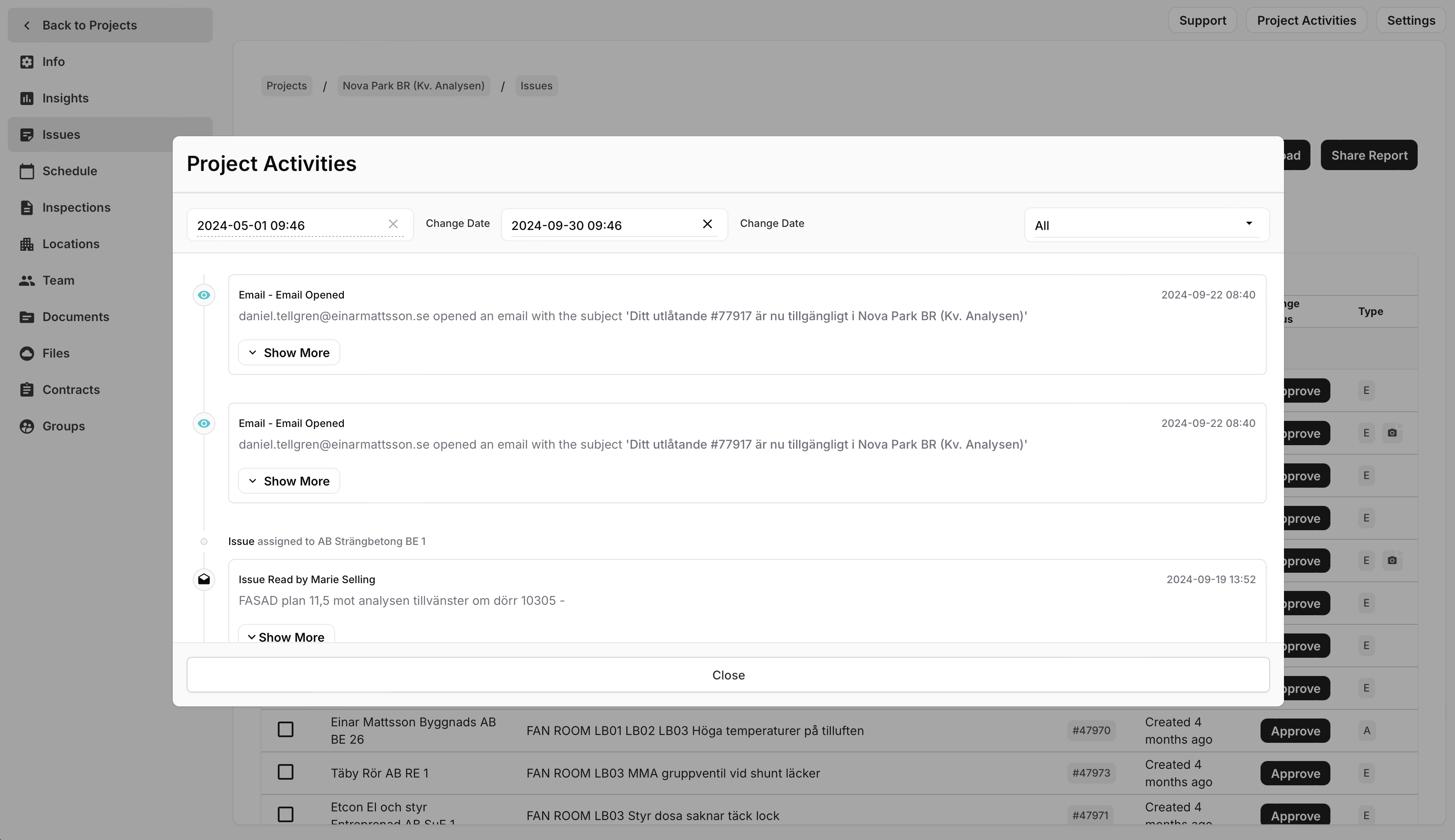
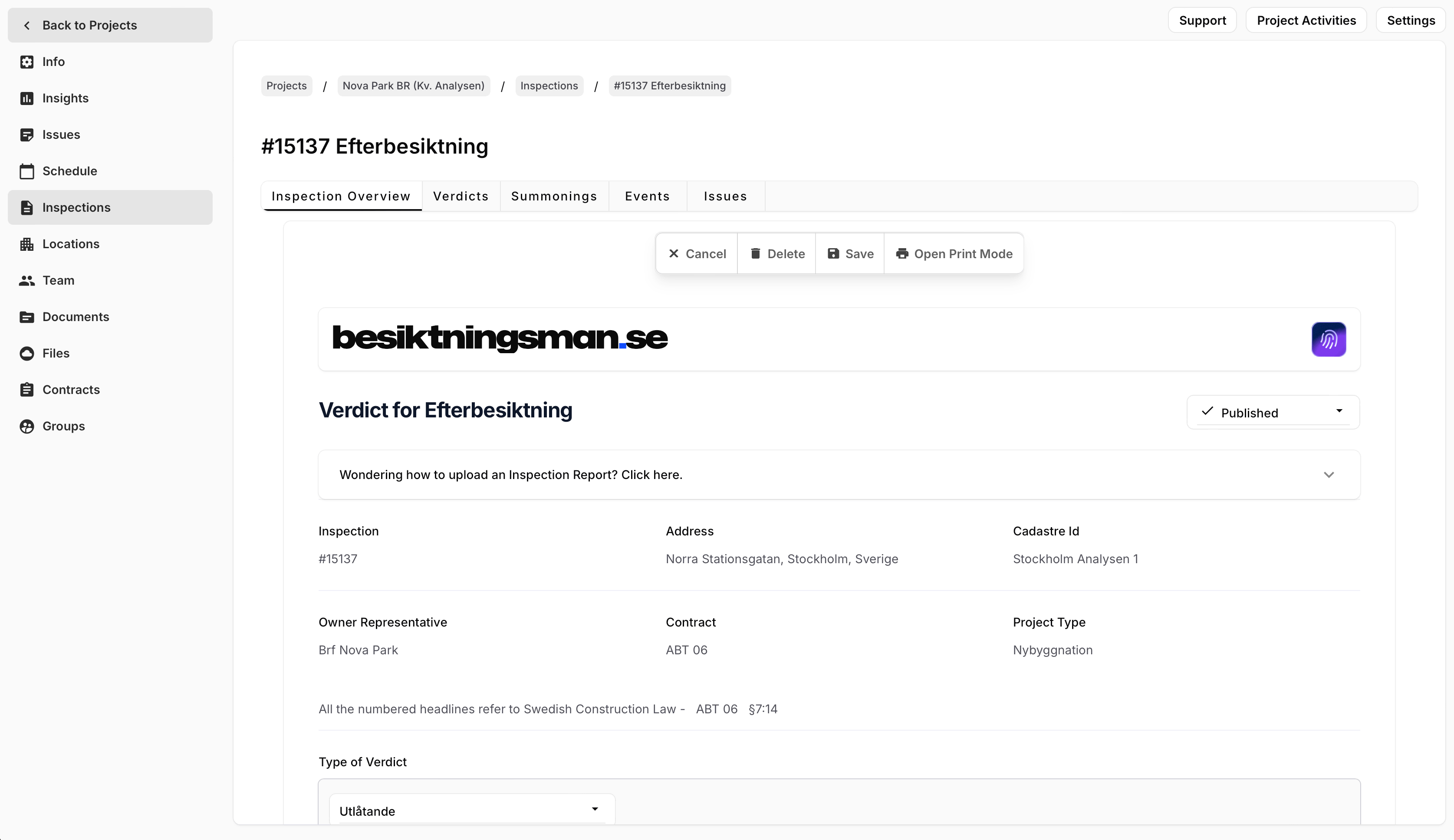
Vue 2 / Vuetify 2 to Vue 2.7 + Tailwind. Vuetify stayed for complex tables but styles were stripped, effectively headless. Goal: modernize the design, cut jank, show less information so the product feels more automatic.
Screens
Scale
Transparency in construction
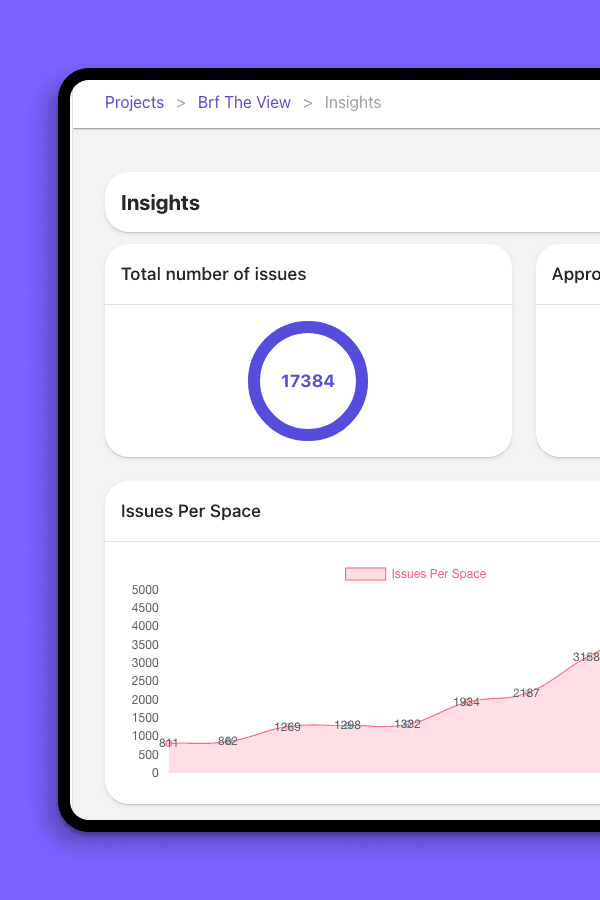
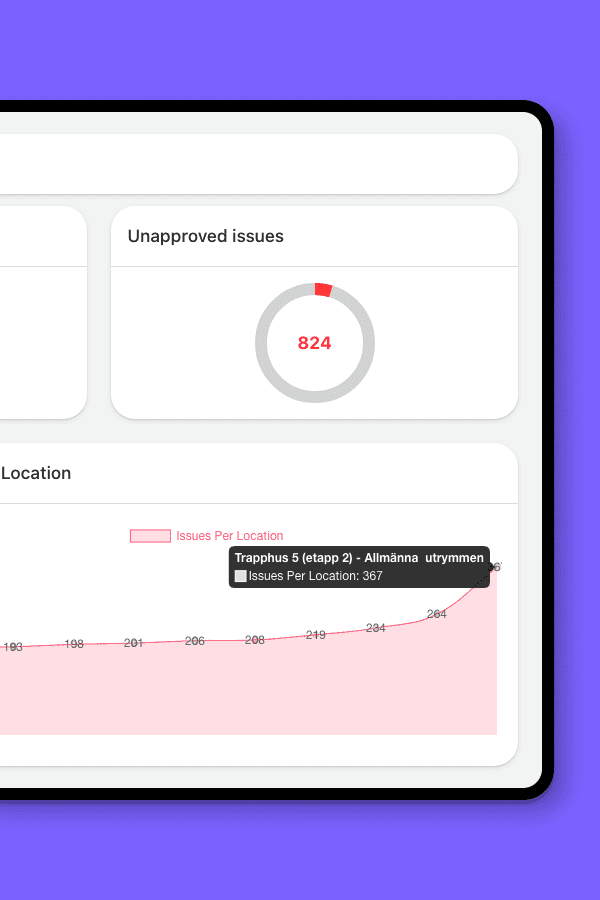
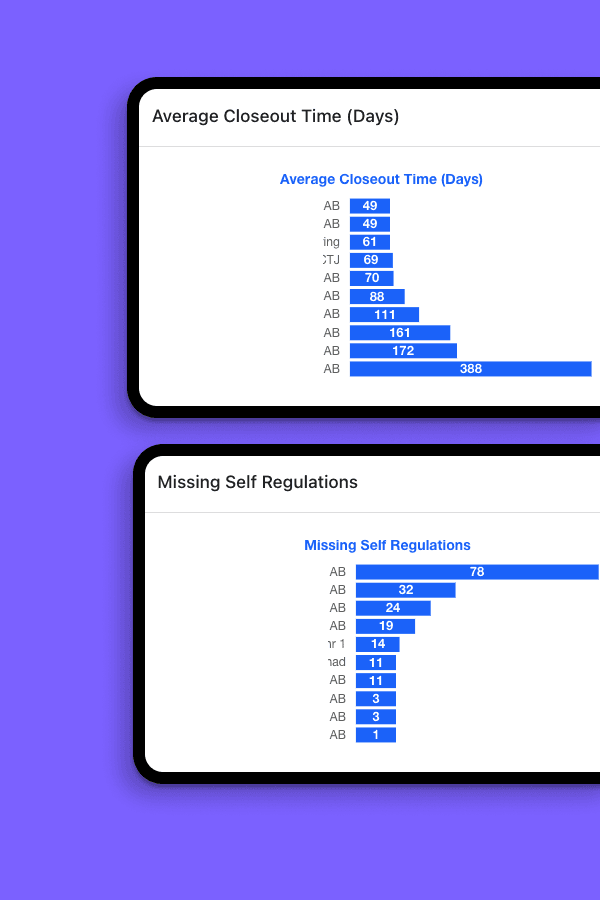
With a decade of industry statistics, the web platform lets contractors and sub-contractors see project health in real time: issue counts, average completion time, who is performing before contracts are renegotiated.
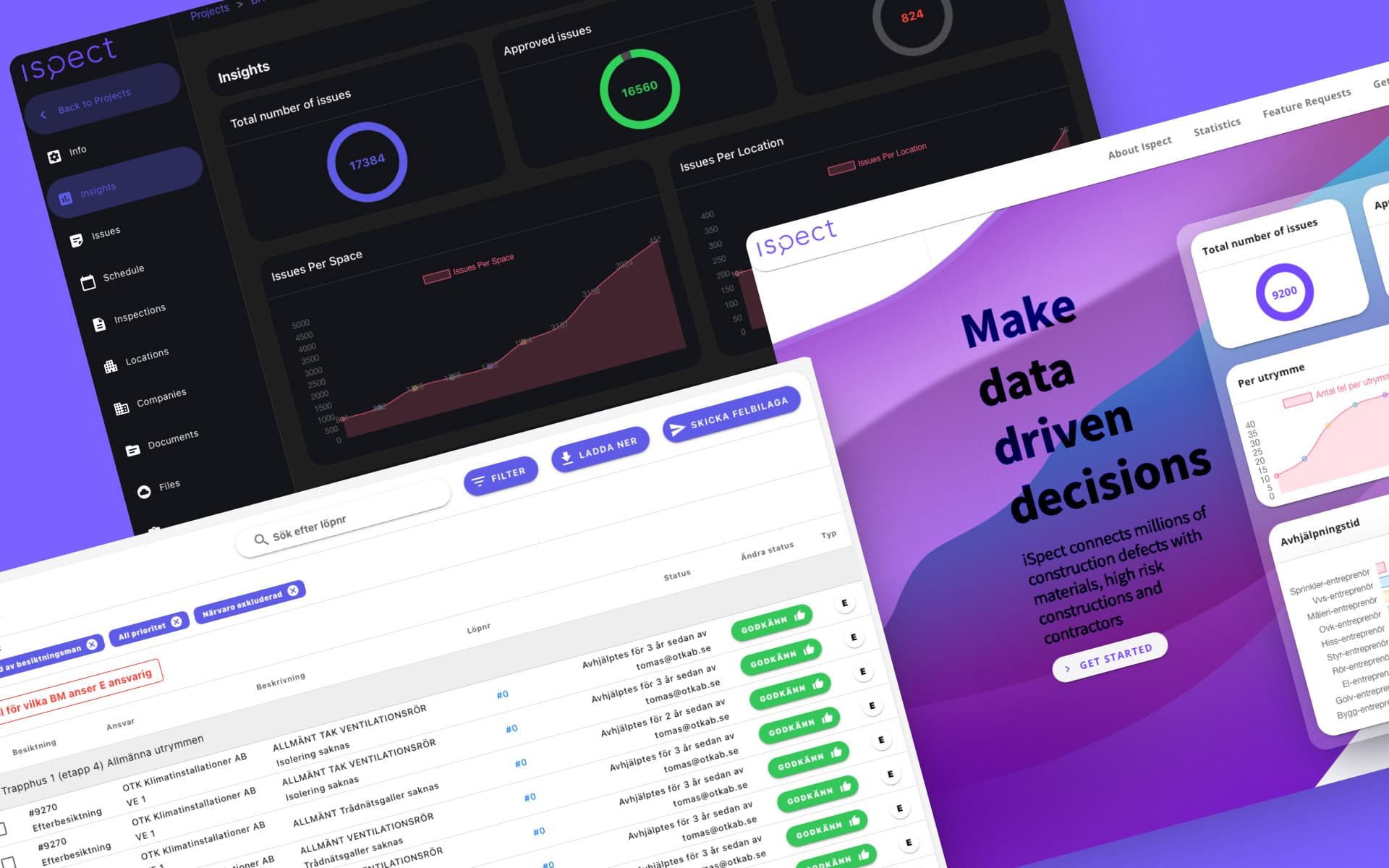
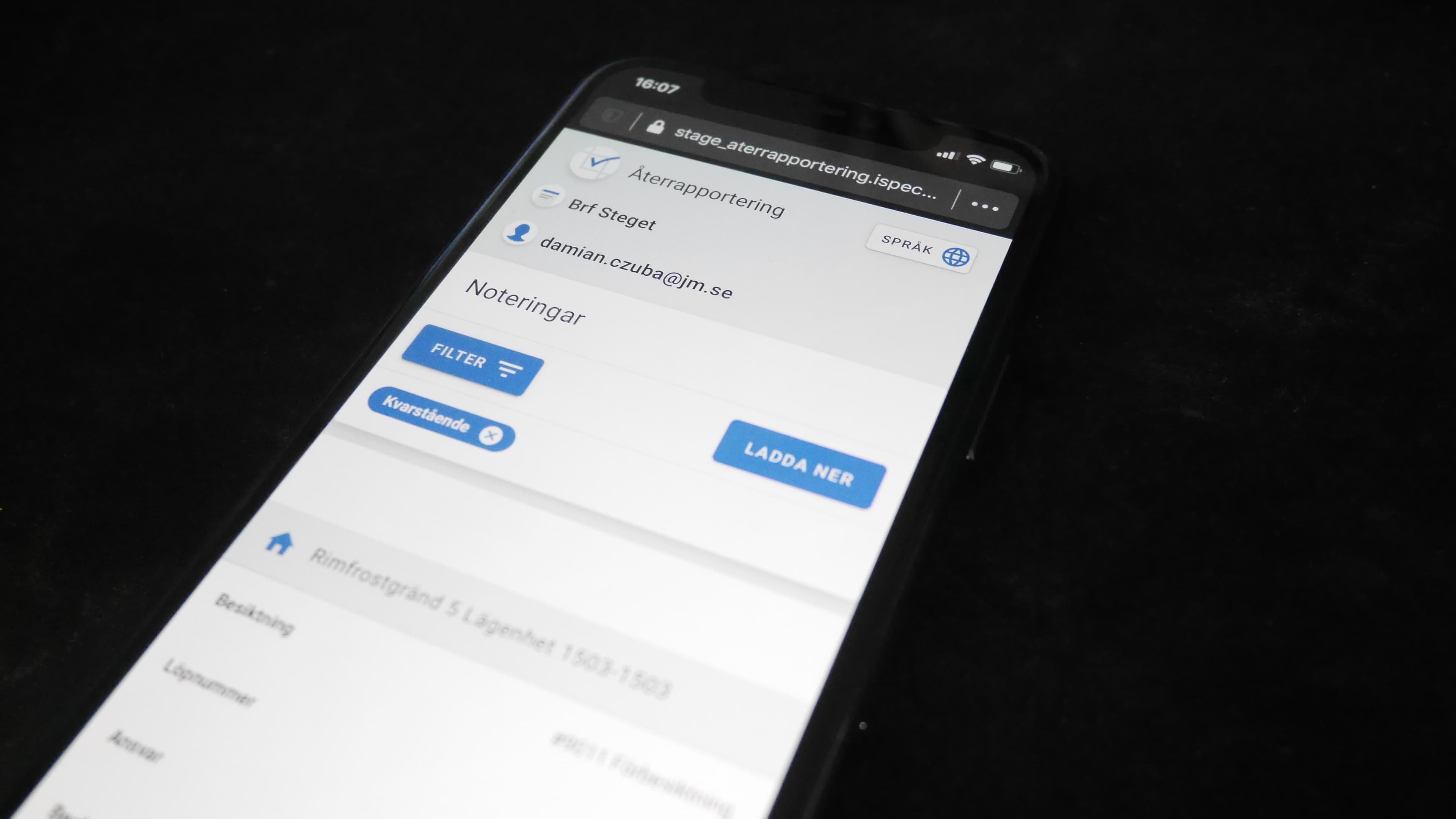
Product surfaces
Brand
Identity that had to travel
Started 2012 in brand and UI; moved into implementation when craft alone was not enough. The logotype grew around the search mark and had to work on hard hats, people, and product screens, not just a marketing site.
Screens
Logotype with the search mark used since the beginning 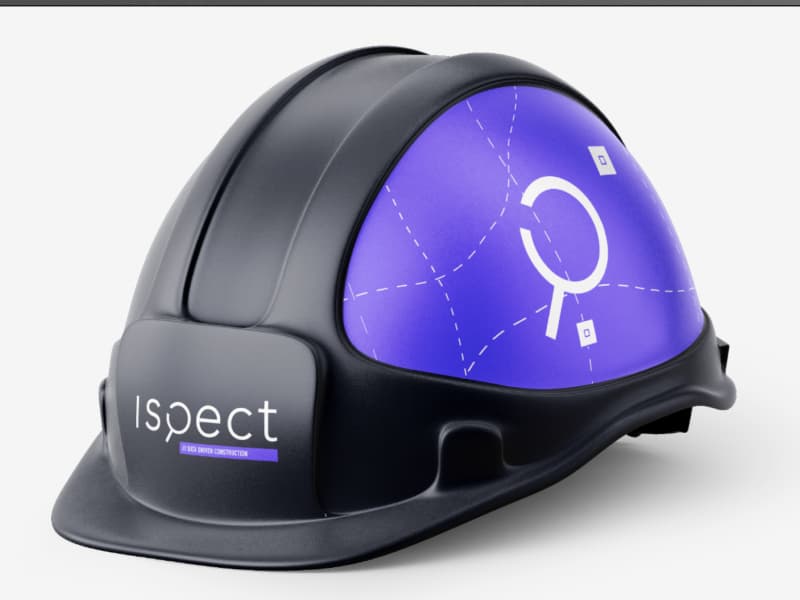
Hard hats usually cannot change color. Branding works within the rules.